The Importance of Open & Accessible Transit Data
Public transit in the United States is becoming increasingly digital, but reliable datasets are only possible when transit agencies make their data open and accessible. The General Transit Feed Specification (GTFS) has become an international standard for sharing transit schedules, routes, and service changes — and U.S. transit agencies are required to publish GTFS feeds as part of National Transit Database (NTD) reporting. As cities work to improve mobility, equity, and rider experience, the role of open transit data has never been more crucial. It empowers planners to make more informed decisions and gives the public access to the information they need to make more sustainable transport choices.

Image from https://gtfs.org/getting-started/what-is-GTFS/
GTFS allows transit schedules to be shared in a machine and human readable format, allowing information to be shared easily between operators, transit agencies and planners. GTFS feeds are made up of multiple txt files, including data on the route taken between stops, timetables, fare structures and operator information. This standardization allows the data to be used in a wide variety of software, such as TRACC. These tools allow planners to make full use of this data and for informed decisions about the transit network to be made. GTFS was originally created to allow transit data to be used in Google Maps but is now used in a variety of trip planners and transit planning tools.
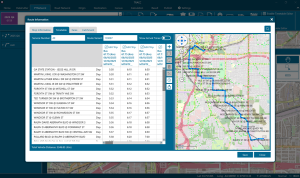
Since 2023, an updated GTFS has been required as part of transit agencies yearly National Transit Database update. This is also required to be updated and freely available for public use and abide by the GTFS specifications. These requirements ensure that the data is available for those who need in a format that can be used in a wide range of tools and allows these tools to provide more functionality for planners. This data can then be better used to inform changes to networks and ensure that the decisions made are equitable and provide maximum benefit. Due to the multi-modal nature of GTFS, the interactions between different modes can be taken into account to allow for longer journeys to be properly analysed.
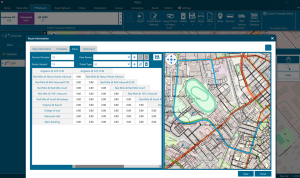
Whilst these requirements benefit users of the GTFS data, this also creates challenges for transit agencies. In particular the requirement for data maintenance and keeping the data up to date with transit systems changing regularly. Previously to this requirement, not all agencies had worked with GTFS files and therefore were required to learn new data formats and tools in order to produce a GTFS of sufficient quality.
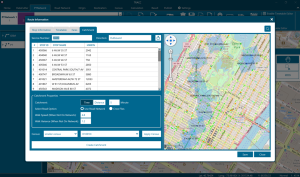
This requirement is part of a trend towards open data standards internationally, whether GTFS feeds, road network data or demographic information. With more data becoming available each year the amount of analysis which is possible is continually growing. Those agencies which invest in strong data practices are therefore better positioned for future changes in requirements and are able to benefit greater from new tools. If you would like to have look into the data available and make use of this in your analysis, try our Datacutter for easy access to international datasets.
Subscribe to Basemap's Latest News
Basemap Link